


The Thrilling World of Horse Racing: A Gateway Not Blocked by Restrictions
Horse racing has long been a captivating sport that combines the excitement of competition with the elegance of beautiful animals. In the United Kingdom, this sport is not only a source of entertainment but also a significant part of the economy and cultural identity. For those looking to dive into this thrilling world, horse racing not blocked by GamStop UK horse racing not on GamStop offers an alternative for those who may encounter restrictions elsewhere. In this article, we will explore the history, intricacies, and the unique appeal of horse racing, while shedding light on how it stands apart from other betting industries.
Horse racing dates back to ancient civilizations, with evidence of races taking place in Egypt, Greece, and Rome. However, the modern form of horse racing as we know it began to take shape in the 17th century, particularly in England. The establishment of organized events, such as the Royal Ascot and The Derby, laid the groundwork for what would become a massive global industry. Today, horse racing is not only a sport but also a focal point for social events, gambling, and community gatherings, attracting millions of spectators both live and through broadcasts.
One of the most intriguing aspects of horse racing is the variety of events and the types of races available. From flat racing to jumps, harness racing to endurance contests, each format offers different challenges for both horse and rider. In the UK, flat racing is particularly popular, where horses race over a level course without obstacles, which allows for a faster pace and exciting finishes. The famous Epsom Derby, held annually, showcases the best of flat racing with thoroughbreds competing for glory and significant prize money.
Jumps racing, on the other hand, adds an extra layer of excitement with its obstacles and hurdles. The Grand National, held at Aintree, is one of the most prestigious jumps races in the world and poses a real test of skill for both horse and jockey. The unique nature of jumps racing requires not only speed but also agility and stamina as the horses navigate various barriers throughout the course.
The allure of horse racing extends beyond the races themselves. The atmosphere at racecourses is often electric, filled with fans dressed in their finest attire, eagerly awaiting the day’s events. The social aspect of attending a race adds to the experience, as individuals gather to place bets, enjoy refreshments, and share in the thrill of the sport. It’s common to see large groups of friends and families come together to enjoy a day at the races, making it a cherished tradition for many.
Betting plays a significant role in horse racing’s popularity. Unlike many other forms of gambling that may be subject to restrictions, horse racing often provides more flexibility for enthusiasts. In the UK, the market for betting on horses remains robust and continues to thrive. There are numerous platforms available for betting, and many of them are not governed by restrictions like GamStop, allowing fans to engage with the sport more freely.

One of the notable advantages of horse racing betting is the availability of a wide array of betting options. From simple win/place/show bets to more complex exotic wagers like exactas and trifectas, punters have many ways to engage with every race. This variety keeps the experience fresh and exciting, as bettors can strategize based on their knowledge of the horses and jockeys.
In addition to traditional methods of betting, technological advancements have brought new opportunities to the forefront. Online betting platforms allow fans to wager from the comfort of their homes, offering live streaming and digital betting options. This has significantly expanded the reach of horse racing, attracting a younger generation of fans who prefer the convenience of online engagement.
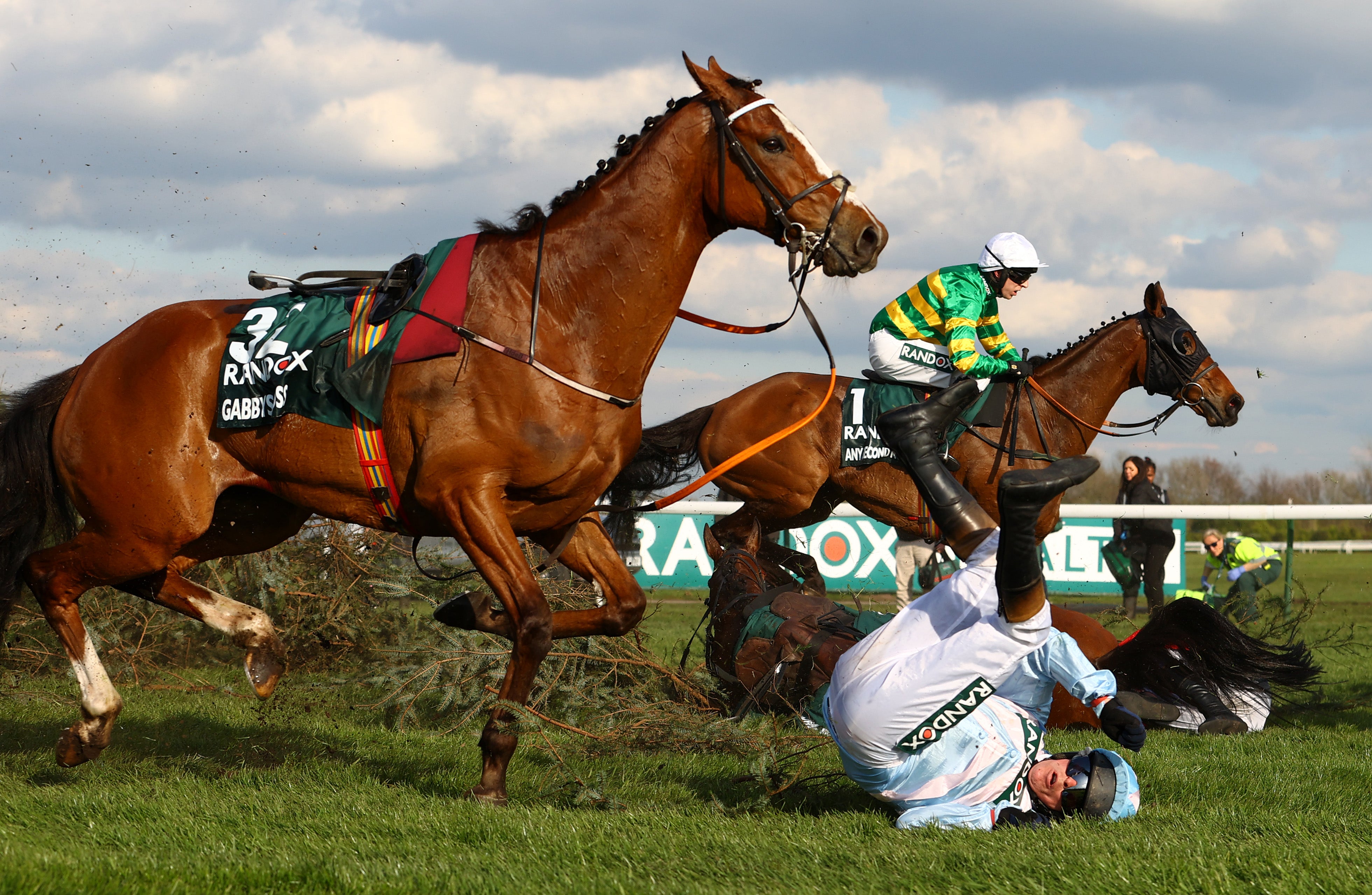
Each year, major horse racing events draw attention not just for the competition but also for the cultural significance and stories that unfold. Things such as investing in up-and-coming horses, training regimes, and jockey rivalries become captivating narratives that add depth to the races. Enthusiasts often follow specific horses and their journeys, creating a sense of community among fans who want to see their favorites succeed.
Moreover, horse racing has become increasingly globalised, with events held worldwide attracting international competitors and spectators. Races in the United States, Japan, and Australia have gained prominence, contributing to a vibrant global horse racing community. This globalization facilitates a blend of cultures, bringing together tradition with modern excitement.
Issues of animal welfare and ethics have surfaced in recent years, prompting discussions around the treatment of racehorses. The racing industry has taken steps to enhance welfare standards and ensure that horses are treated with the care they deserve, which is vital for the long-term sustainability of the sport. Efforts to improve training, transparency in veterinary practices, and post-racing care are crucial components of ensuring that horse racing remains a reputable and humane sport.
As the world continues to evolve, the future of horse racing looks promising. With advancements in technology, an expanding audience, and rising global interest, horse racing is set to further entrench itself as a beloved pastime for many. The dual focus on maintaining rich traditions while embracing new opportunities sets the stage for horse racing to continue thriving in the years to come.
For many, engaging with horse racing is about more than just betting; it’s about being part of a community that shares a love for these magnificent animals. Increasing awareness and participation can only enhance the appreciation for the sport and its significance. In a fast-paced world filled with distractions, horse racing offers a unique connection to history, reverence for animals, and the thrill of competition — a gateway that is undeniably not blocked by any restrictions.
