

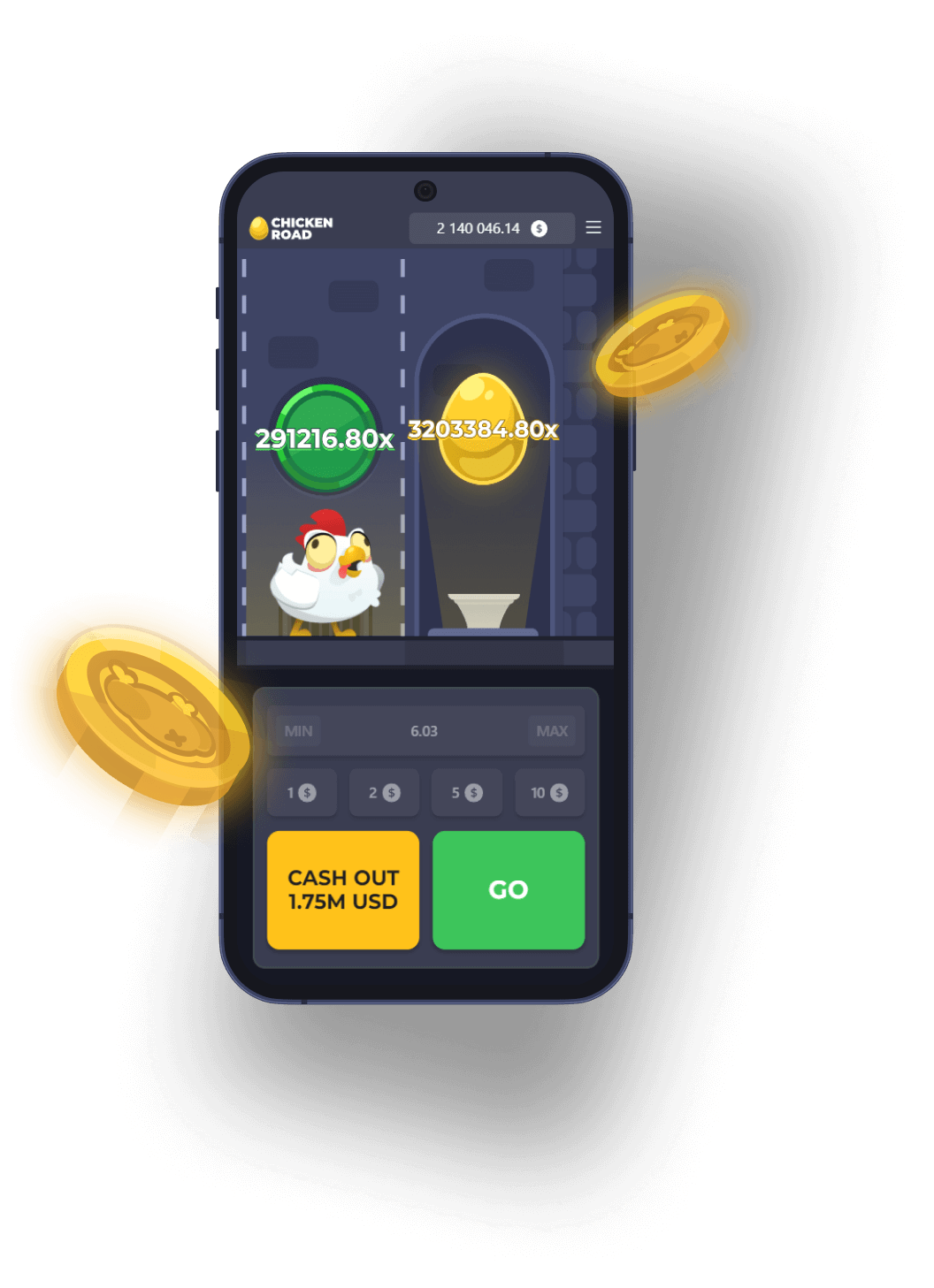
In the vibrant world of gaming, character design plays a vital role in engaging players and creating memorable experiences. The Chicken Road game mascot design Chicken Road game is no exception. A well-crafted mascot not only embodies the spirit of the game but also creates a strong connection with its audience. This article delves into the intricacies of creating a mascot for Chicken Road, exploring the artistic, thematic, and gameplay considerations that go into this process.
The Importance of Mascots in Gaming
In the gaming industry, mascots serve as a bridge between players and the game universe. They are often the face of the game, representing its themes, values, and personality. A well-developed mascot can enhance player immersion and foster a sense of loyalty. For Chicken Road, the mascot must reflect the game’s quirky, fun atmosphere while appealing to a broad audience.
Understanding the Game’s Theme
Before diving into the design process, it is essential to comprehend the Chicken Road game’s core themes. The game centers around adventure, humor, and the essence of rural life, with chickens embarking on a journey filled with challenges and surprises. The chosen mascot should encapsulate these elements, embodying both the spirit of adventure and the whimsical nature of the gameplay.
Character Design Process
The character design process typically begins with brainstorming and research. This phase involves sketching out ideas, gathering inspiration from various sources, and outlining the characteristics that the mascot should possess. The following steps outline this process:
1. Concept Development
Start by conceptualizing the core traits of the mascot. Should it be a comical chicken proficient in overcoming obstacles? Or perhaps a wise, old rooster full of life lessons? Brainstorming multiple concepts allows for a diverse pool of ideas to choose from.
2. Mood Boards
Create mood boards that encapsulate the desired aesthetic. This includes color palettes, styles, and emotions that the mascot should evoke. For Chicken Road, bright colors and playful designs would enhance the appealing nature of the game.
3. Sketching and Iteration
Sketch several versions of the mascot. Experiment with different poses, expressions, and accessories. Iteration is key in this stage; feedback from team members can help refine the designs.
4. Final Design
After several rounds of refinement, select the most promising design. Consider the mascot’s pose, facial expressions, and overall appeal to ensure it resonates with players and aligns with the game’s tone.
Personality and Backstory
A strong mascot goes beyond visual appeal; it should have a personality and a backstory. For instance, if the mascot is a plucky young hen named “Clucky,” her adventures could include outsmarting foxes or finding the best foraging spots. Such storytelling elements add depth to the character, making it more relatable and engaging for players.
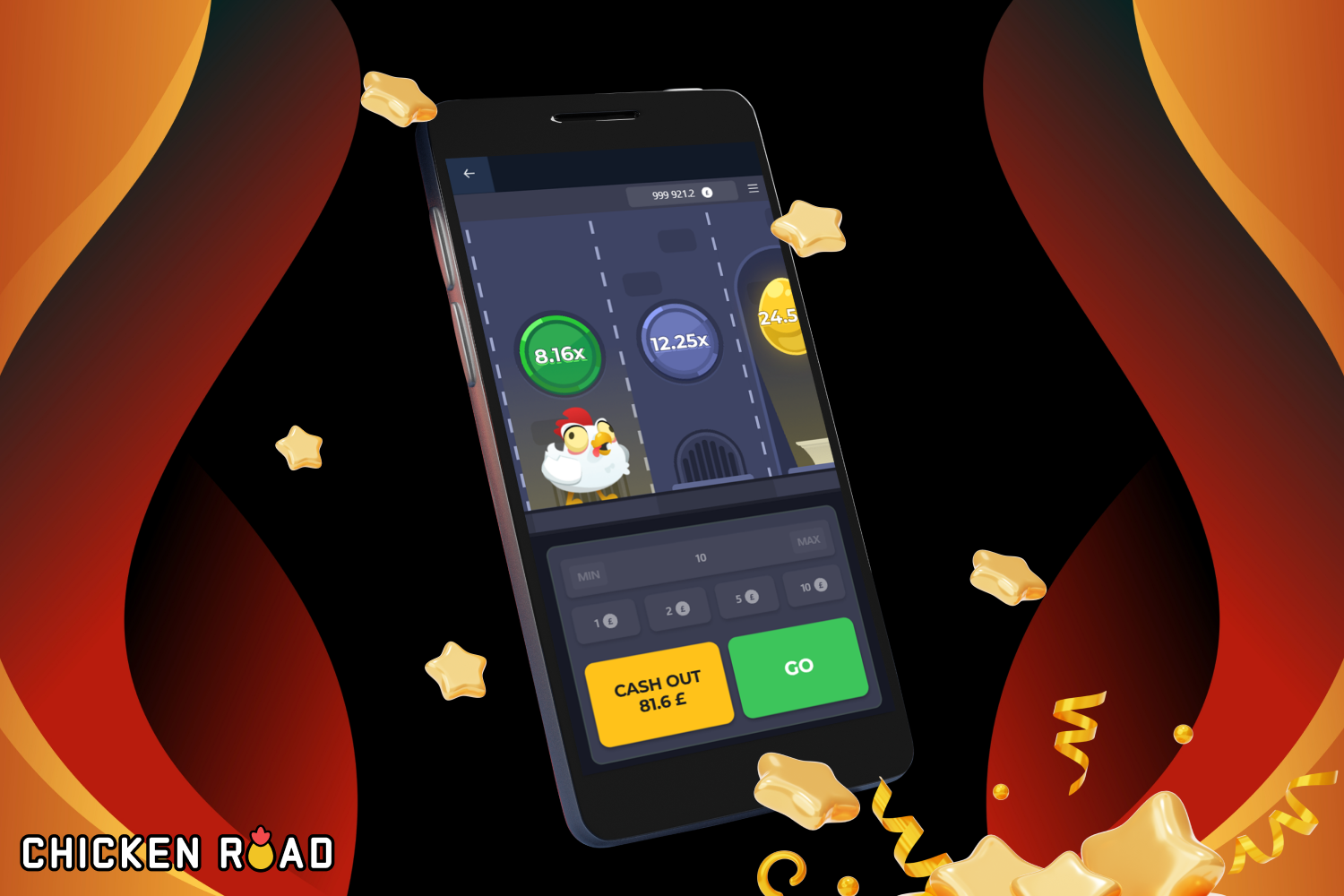
Integration into Gameplay
The design of the mascot must also take into account how it will be integrated into the game. Will it serve as a guide for new players? Will it have unique abilities that assist players during their journey? These gameplay functions can enhance the character’s significance and create a more interactive experience for the players.
Feedback and Testing
Once the mascot design is finalized, it is crucial to test its reception among potential players. Conducting focus groups or surveys can provide insights into how well the mascot resonates with the audience. Gathering player feedback is invaluable for making any necessary tweaks before the final launch.
Marketing and Branding
The mascot will play a significant role in the marketing and branding of Chicken Road. It can be featured in promotional materials, merchandise, and advertisements, creating a cohesive brand image. Consider how the mascot can be used across different platforms—such as social media, streaming platforms, and merchandise—to strengthen its presence.
The Ongoing Evolution of the Mascot
Finally, it’s important to remember that character design doesn’t end with the launch of the game. As the game evolves—introducing new features, storylines, or seasonal events—the mascot can also undergo changes to keep its design fresh and engaging. This adaptability can keep players intrigued and invested in the game over time.
Conclusion
Designing a mascot for the Chicken Road game involves a thoughtful combination of artistry, gameplay integration, and audience engagement. A successful mascot not only embodies the game’s character but also plays a crucial role in promoting player loyalty and connection. Through careful consideration of themes, design processes, and audience feedback, the Chicken Road mascot has the potential to become an iconic figure within the gaming community.
