

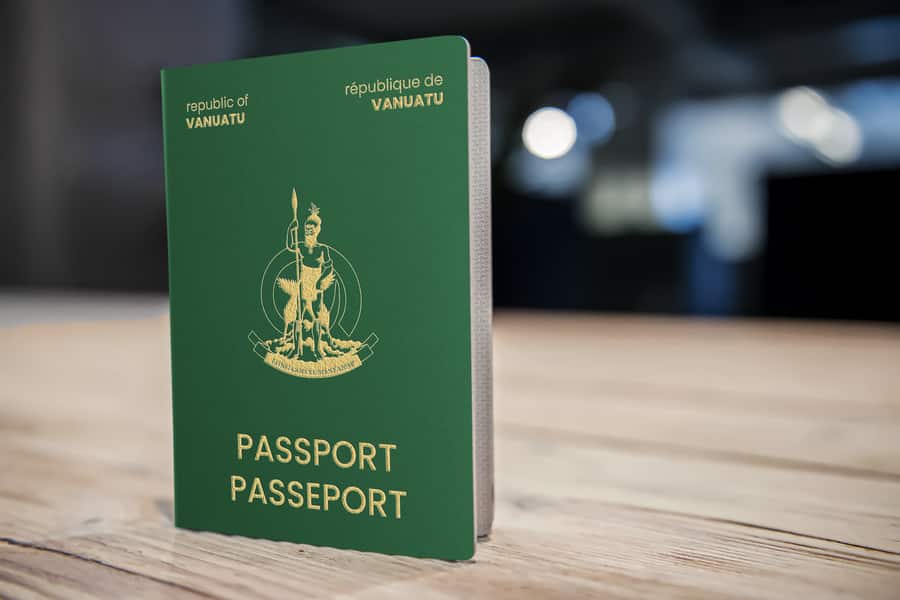
Vanuatu vs Caribbean Citizenship: Which Is Better?
In the realm of global citizenship, options abound for individuals seeking a second passport. Among the most sought-after programs are those in Vanuatu and the Caribbean. Each offers unique benefits, costs, and requirements. In this article, we will delve deeply into Vanuatu vs Caribbean Citizenship: Which Is Better? to help you make an informed decision about which destination may suit your lifestyle and needs best.
Understanding Citizenship by Investment Programs
Citizenship by investment (CBI) programs allow individuals to acquire a passport in exchange for a significant financial contribution to the host country. These programs typically involve investing in real estate, contributing to a national development fund, or making a substantial donation to a designated project. CBI offers several advantages, including visa-free travel, tax benefits, and the right to reside and work in the host country.
Vanuatu Citizenship: Overview
Vanuatu, an archipelago in the South Pacific, is known for its stunning natural beauty and relaxed lifestyle. Since 2017, it has offered a Citizenship by Investment program that has garnered significant attention globally. The program primarily requires applicants to make a non-refundable contribution to the Vanuatu Development Support Program (VDSP).
Benefits of Vanuatu Citizenship
- Fast Processing: The processing time for Vanuatu citizenship is relatively quick, typically taking around 1 to 2 months.
- Visa-Free Travel: Vanuatu passport holders enjoy visa-free access to over 130 countries, including the Schengen Area, the UK, and Russia.
- Tax Benefits: Vanuatu has no income tax, capital gains tax, or inheritance tax, making it an attractive option for high-net-worth individuals.
- Peaceful and Safe Environment: Vanuatu is known for its political stability, safety, and a relaxed lifestyle.
- Opportunity for Future Generations: Citizenship can be passed on to future generations, providing them with similar benefits.
Caribbean Citizenship: Overview
The Caribbean region offers multiple CBI programs, with standout nations such as St. Kitts and Nevis, Dominica, Grenada, and Antigua and Barbuda. Each program has its unique set of benefits and requirements, often appealing to investors from various regions, including Europe, Asia, and the Middle East.
Benefits of Caribbean Citizenship
- Diverse Options: The Caribbean features several CBI programs, allowing for flexibility in investment choices ranging from real estate to government-approved donations.
- Visa-Free Travel: Caribbean passports offer visa-free or visa-on-arrival access to numerous countries, including the EU Schengen Area and the UK.
- Stable Economies and Investment Opportunities: Many Caribbean nations are economically stable with potential business opportunities in tourism and real estate.
- Attractive Tax Regimes: Several Caribbean nations have low tax rates, appealing to high-net-worth individuals looking for tax optimization.
- Family Inclusion: Most Caribbean CBI programs permit applicants to include family members in their citizenship application.
Costs: A Comparative Analysis
The costs associated with acquiring citizenship in Vanuatu and the Caribbean can vary significantly. In Vanuatu, the primary requirement is a minimum donation of approximately $130,000 for a single applicant to the VDSP. Additional fees such as processing charges and due diligence fees may apply.
In contrast, the Caribbean programs offer a spectrum of pricing depending on the nation and the investment route chosen. For example, the St. Kitts and Nevis program requires a minimum investment of $150,000 in a government-approved real estate project or a contribution of $100,000 to the Sustainable Growth Fund. Overall, costs can range from $100,000 to $250,000 or more, depending on the pathway chosen.
Residency Requirements
One of the significant differences between Vanuatu and Caribbean citizenship is the residency requirement. Vanuatu does not impose any residency obligations, allowing passport holders to live anywhere globally. Conversely, certain Caribbean countries may require applicants to spend some time in their territory before being granted citizenship.
Processing Time
The processing time for Vanuatu citizenship is generally faster than that of most Caribbean nations. Vanuatu can process an application within 1 to 2 months, while Caribbean programs often have processing times ranging from 3 to 6 months or longer, depending on the specific country’s regulations and the volume of applications.

Reputation and Stability
When considering citizenship by investment, it’s crucial to assess the reputation and political stability of the host country. Vanuatu has gained recognition for its straightforward processes and favorable environment. In contrast, the Caribbean nations also have strong reputations; however, varying degrees of economic stability and political history should be considered. Investors should research the specific country of interest to ensure it aligns with their values and investment goals.
Conclusion: Which Option is Right for You?
Choosing between Vanuatu and Caribbean citizenship ultimately depends on your personal preferences, financial situation, and long-term goals. If you prioritize a quick application process without residency requirements, Vanuatu may be the optimal choice. On the other hand, if you value diverse investment options and the potential for family inclusion, a Caribbean program might be more suitable.
Both options present unique advantages, making them attractive to different types of investors. As global mobility becomes increasingly important, understanding the nuances of these programs will empower you to make a well-informed decision. Whether you opt for the picturesque landscapes of Vanuatu or the vibrant culture of the Caribbean, either path serves as a gateway to global freedom and opportunity.
